











The U.S. hotel industry is approaching another important investment cycle. As hotel owners look toward 2027, rising renovation costs, evolving brand requirements, financing pressures, and aging property assets are making capital expenditure decisions more complicated.
Recent industry discussions suggest that many hotel owners are entering a period of careful decision-making. Rather than simply delaying renovations or committing to large-scale upgrades, owners are increasingly evaluating which improvements should come first, how to manage project budgets, and how to protect long-term property value.
For hotel owners, franchise operators, and investors, the challenge is no longer just whether to renovate. It is how to renovate strategically.
1. Why 2027 Could Become a Critical Year for Hotel Renovation
According to CoStar's November 9, 2026 report, hotel owners are facing growing pressure from capital expenditure requirements, renovation costs, and upcoming debt maturities. Industry executives also highlighted the increasing complexity of Property Improvement Plans (PIPs), making renovation budgeting more challenging.
At the same time, the U.S. hotel development market remains active. According to the Q3 2026 Hotel Construction Pipeline report from Lodging Econometrics, the U.S. pipeline included 5,901 hotel projects representing 692,999 rooms. Renovation and conversion activity also accounted for 2,041 projects and 251,909 rooms.
These figures highlight two important market realities: new hotel development continues, while existing properties also require investment to remain competitive.
For hotel owners, this creates an opportunity to evaluate renovation priorities before deferred maintenance, outdated interiors, or brand requirements become more expensive problems.

2. PIP Requirements Are Changing How Hotels Approach Renovation
For branded hotels, a Property Improvement Plan (PIP) can involve more than replacing outdated furniture. It may include guestroom improvements, public area upgrades, flooring, lighting, finishes, and other requirements designed to maintain brand consistency.
However, completing every improvement at once can place significant pressure on an owner's capital budget.
According to an October 2026 report by Hotel Management, a phased approach to PIP execution is becoming increasingly common. Owners are prioritizing guest-facing areas while planning the remaining improvements according to financial and operational conditions.
This approach can help hotels manage renovation expenses without losing sight of their long-term brand requirements.
For example, a hotel renovation plan may prioritize:
Phase 1 – Guestroom Improvements: Upgrade headboards, nightstands, wardrobes, desks, seating, and other essential FF&E.
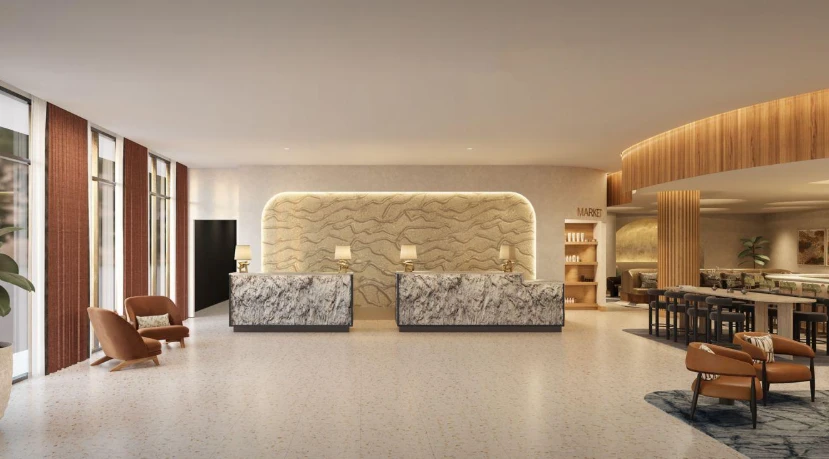
Phase 2 – Public Area Renovation: Refresh the lobby, reception area, corridors, breakfast spaces, and lounge furniture.
Phase 3 – Interior Finishes: Replace aging carpet, wallpaper, decorative panels, and other interior materials.
Phase 4 – Final Brand Alignment: Review remaining PIP items and complete outstanding improvements.
The actual sequence should always follow the hotel's approved PIP, operational requirements, and available budget.

3. How to Control Hotel Renovation Costs Without Sacrificing Quality
Reducing renovation expenses does not necessarily mean choosing the cheapest furniture or materials.
A more effective strategy is to evaluate the total project cost, including procurement, transportation, installation, maintenance, and future replacement.
Here are four important considerations for hotel owners:
1. Prioritize High-Impact Areas
Guestrooms and public spaces directly influence the guest experience. Identify furniture and finishes that are visibly outdated, damaged, or no longer functional. Prioritizing these areas can help owners make more meaningful improvements with limited budgets.
2. Choose Durable and Practical Materials
Hotel furniture is exposed to frequent use. Materials should be selected based on durability, cleaning requirements, maintenance costs, and the hotel's design standards.
3. Consider Factory-Direct Custom Furniture
Working directly with a hotel furniture manufacturer can provide greater flexibility in product dimensions, finishes, materials, and project quantities. It can also reduce unnecessary procurement layers.
4. Coordinate FF&E Procurement Early
Furniture specifications, color samples, production schedules, shipping arrangements, and installation plans should be coordinated before the renovation begins. Early planning helps reduce delays and avoid costly last-minute changes.
4. Why Integrated FF&E Planning Matters for Hotel Projects
Hotel renovation is not simply a furniture purchasing process. It involves multiple connected stages, from design development to manufacturing and final delivery.
When owners work with several independent suppliers, differences in product specifications, delivery schedules, and communication can make project management more complicated.
An integrated FF&E strategy helps connect these stages.
For example, a hotel owner can provide a floor plan and project requirements during the early planning stage. The project team can then develop design concepts, prepare 3D renderings, coordinate material samples, confirm furniture specifications, and organize production.
This approach is valuable for both renovation and new hotel construction projects.
For new developments, early FF&E coordination helps ensure that furniture dimensions, interior layouts, and functional requirements are aligned before production begins.
For existing hotels, coordinated procurement can help owners replace furniture and finishes while maintaining consistency across guestrooms and public areas.

5. New Construction vs. Renovation: Different Projects, Similar FF&E Challenges
Although hotel construction and renovation projects have different requirements, both depend on careful FF&E planning.
| Project Type | Key Considerations |
|---|---|
| New Hotel Construction | Furniture specifications, design coordination, room layouts, bulk procurement, and delivery schedules |
| Hotel Renovation | Existing dimensions, replacement requirements, operational continuity, and phased delivery |
| PIP Upgrades | Brand standards, approved materials, product consistency, and completion schedules |
| Hotel Conversions | Adapting existing spaces, new brand identity, furniture replacement, and cost control |
For new hotel developments, furniture and interior specifications should be considered early in the design process rather than treated as a final purchasing task.
For renovation projects, understanding the existing property conditions is equally important. Custom furniture may be required to fit existing layouts, dimensions, or architectural features.
In both cases, an experienced hotel FF&E partner can help coordinate design, manufacturing, and procurement requirements.
6. How KANAS HOSPITALITY Supports Hotel Construction and Renovation Projects
At KANAS HOSPITALITY, we understand that hotel owners need more than individual furniture products. They need coordinated solutions that connect design, manufacturing, procurement, and project delivery.
We provide integrated hotel construction, renovation, and FF&E solutions for projects across the U.S. market.
Our services include:
Design Support: Floor plan review, design development, and 3D renderings based on project requirements.
Custom Furniture Manufacturing: Customized guestrooms, wardrobes, headboards, nightstands, desks, sofas, chairs, and other hotel furniture.
FF&E Supply: Furniture and related interior products for guestrooms, lobbies, corridors, restaurants, and public areas.
Material & Color Matching: Coordination of finishes, fabrics, colors, and material samples.
Production & Quality Control: Manufacturing management and product inspection to support project specifications.
Logistics & Installation Coordination: Transportation, delivery planning, and installation support through project partners.
With U.S.-based business operations and manufacturing resources in China, KANAS HOSPITALITY connects factory-direct production capabilities with the requirements of the U.S. hospitality market.
Whether you are developing a new hotel, completing a PIP, converting an existing property, or planning a phased renovation, our team can help coordinate the FF&E process from design development to delivery.
7. Plan Ahead for Your 2027 Hotel Investment
The decisions hotel owners make today can influence their property's competitiveness and operating costs for years to come.
As 2027 approaches, successful renovation planning will require more than simply allocating a budget. Owners need to understand their property's condition, review brand requirements, prioritize essential improvements, and select reliable partners who can support the entire process.
A well-organized FF&E strategy can help reduce procurement complexity, improve project coordination, and create a more consistent guest experience.
The Bottom Line
Hotel renovation should not be viewed only as an expense. It is an opportunity to improve property functionality, strengthen brand positioning, and maintain long-term asset value.
Whether you are planning a new hotel development or preparing an existing property for its next renovation cycle, early planning and coordinated FF&E procurement can make a meaningful difference.
Planning a hotel construction or renovation project for 2027?
Partner with KANAS HOSPITALITY for integrated hotel renovation, custom furniture manufacturing, and FF&E solutions.